
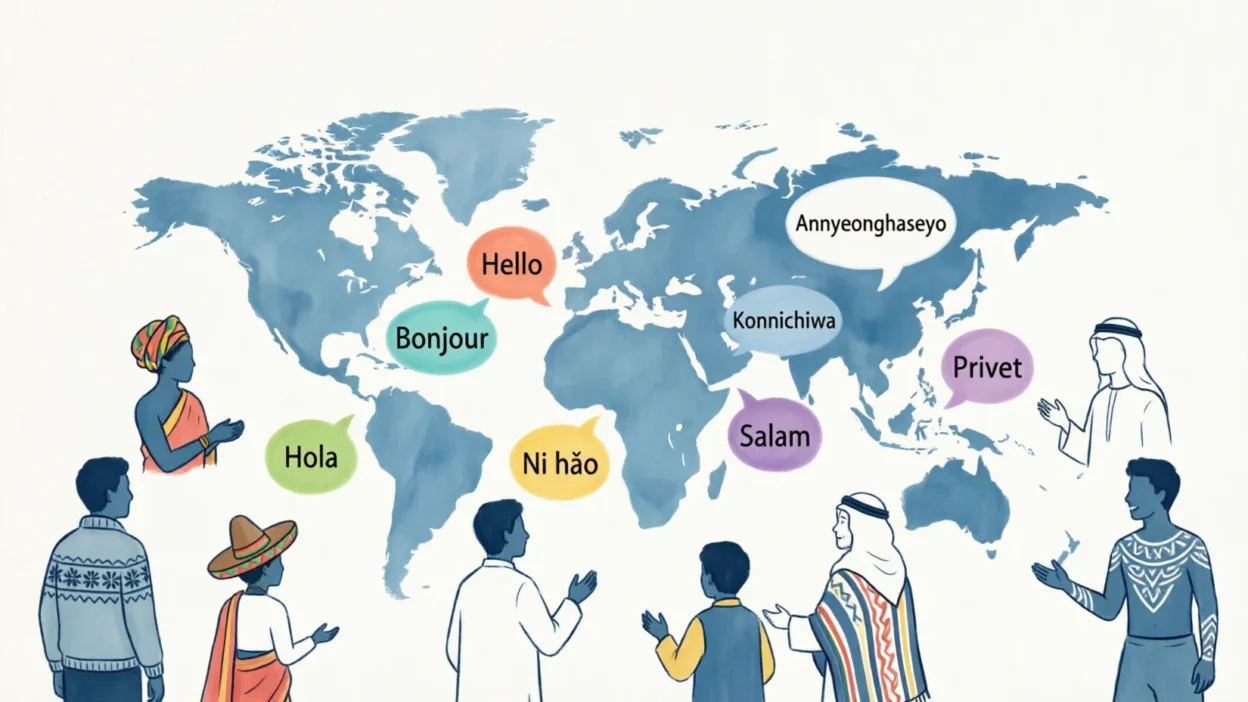
Exploring what you are doing in different languages is one of the best ways to say a common phrase across different languages. If you are learning a new language, comparing several languages, or communicating in other languages, this simple expression strengthens everyday communication and communication skills.
Moving from a native language to a foreign language becomes easier when you focus on one useful word or question at a time. This practical approach improves speaking, reading, and overall language learning, making conversations feel more natural and helping learners build confidence while understanding how people communicate around the world.
A quality language guide or learning page often features a direct translation, several translations, and a phrase translation for daily use. Exploring linguistic differences helps expand vocabulary and encourages a multilingual mindset. Many resources cover over 100 languages, providing examples that help learners read, learn, and understand common expressions used around the world.
Today, many tools include audio, pronunciation, and audio pronunciation support. Users can listen, improve listening skills, and pronounce phrases more accurately. Some platforms invite learners to compare accents and speaking styles through recordings in more than 40 languages. This method improves confidence, boosts accuracy, and supports better everyday conversations.
What Are You Doing in Different Languages Table
| Language | Native Phrase | Pronunciation | Example Sentence | English Meaning |
| English | What are you doing? | What are you doing | What are you doing right now? | Asking about someone’s current activity |
| Spanish | ¿Qué estás haciendo? | Kay es-tas ah-see-en-do | ¿Qué estás haciendo ahora? | What are you doing now? |
| French | Que fais-tu ? | Kuh feh-tu | Que fais-tu aujourd’hui ? | What are you doing today? |
| German | Was machst du? | Vas mahkst doo | Was machst du jetzt? | What are you doing now? |
| Italian | Cosa stai facendo? | Ko-za sty fa-chen-do | Cosa stai facendo adesso? | What are you doing now? |
| Portuguese | O que você está fazendo? | O keh vo-se es-ta fa-zen-do | O que você está fazendo agora? | What are you doing now? |
| Dutch | Wat ben je aan het doen? | Vat ben yuh aan het doon | Wat ben je nu aan het doen ? | What are you doing now? |
| Russian | Что ты делаешь? | Shto ty de-lay-esh | Что ты делаешь сейчас? | What are you doing now? |
| Ukrainian | Що ти робиш? | Sho ty ro-bysh | Що ти робиш зараз? | What are you doing now? |
| Polish | Co robisz? | Tso ro-bish | Co robisz teraz? | What are you doing now? |
| Czech | Co děláš? | Tso dye-lash | Co děláš teď? | What are you doing now? |
| Slovak | Čo robíš? | Cho ro-bish | Čo robíš teraz? | What are you doing now? |
| Hungarian | Mit csinálsz? | Mit chi-naals | Mit csinálsz most? | What are you doing now? |
| Romanian | Ce faci? | Che fach | Ce faci acum? | What are you doing now? |
| Greek | Τι κάνεις; | Ti ka-nis | Τι κάνεις τώρα; | What are you doing now? |
| Turkish | Ne yapıyorsun? | Ne ya-pi-yor-sun | Ne yapıyorsun şimdi? | What are you doing now? |
| Arabic | ماذا تفعل؟ | Ma-za taf-al | ماذا تفعل الآن؟ | What are you doing now? |
| Hebrew | מה אתה עושה? | Ma a-ta o-seh | מה אתה עושה עכשיו? | What are you doing now? |
| Persian | چکار میکنی؟ | Che-kar mi-ko-ni | الان چکار میکنی؟ | What are you doing now? |
| Urdu | آپ کیا کر رہے ہیں؟ | Aap kya kar rahe hain | آپ ابھی کیا کر رہے ہیں؟ | What are you doing now? |
| Hindi | आप क्या कर रहे हैं? | Aap kya kar rahe hain | आप अभी क्या कर रहे हैं? | What are you doing now? |
| Punjabi | ਤੁਸੀਂ ਕੀ ਕਰ ਰਹੇ ਹੋ? | Tusi ki kar rahe ho | ਤੁਸੀਂ ਹੁਣ ਕੀ ਕਰ ਰਹੇ ਹੋ? | What are you doing now? |
| Bengali | তুমি কি করছো? | Tumi ki kor-cho | তুমি এখন কি করছো? | What are you doing now? |
| Gujarati | તમે શું કરી રહ્યા છો? | Tame shu kari rahya cho | તમે અત્યારે શું કરી રહ્યા છો? | What are you doing now? |
| Marathi | तुम्ही काय करत आहात? | Tumhi kay karat aahat | तुम्ही आता काय करत आहात? | What are you doing now? |
| Tamil | நீங்கள் என்ன செய்கிறீர்கள்? | Neengal enna seigirirgal | நீங்கள் இப்போது என்ன செய்கிறீர்கள்? | What are you doing now? |
| Telugu | మీరు ఏమి చేస్తున్నారు? | Meeru emi chestunnaru | మీరు ఇప్పుడు ఏమి చేస్తున్నారు? | What are you doing now? |
| Kannada | ನೀವು ಏನು ಮಾಡುತ್ತಿದ್ದೀರಿ? | Neevu enu maaduttiddiri | ನೀವು ಈಗ ಏನು ಮಾಡುತ್ತಿದ್ದೀರಿ? | What are you doing now? |
| Malayalam | നിങ്ങൾ എന്ത് ചെയ്യുന്നു? | Ningal enth cheyyunnu | നിങ്ങൾ ഇപ്പോൾ എന്ത് ചെയ്യുന്നു? | What are you doing now? |
| Sinhala | ඔබ මොනවා කරනවාද? | Oba monawa karanawada | ඔබ දැන් මොනවා කරනවාද? | What are you doing now? |
| Nepali | तपाईं के गर्दै हुनुहुन्छ? | Tapai ke gardai hunuhuncha | तपाईं अहिले के गर्दै हुनुहुन्छ? | What are you doing now? |
| Chinese (Mandarin) | 你在做什么? | Nee zai dzwo shen-ma | 你在做什么? | What are you doing? |
| Cantonese | 你做緊咩呀? | Nei zo gan meh a | 你做緊咩呀而家? | What are you doing now? |
| Japanese | 何をしていますか? | Nani o shiteimasu ka | 今何をしていますか? | What are you doing now? |
| Korean | 뭐 하고 있어요? | Mwo ha-go is-so-yo | 지금 뭐 하고 있어요? | What are you doing now? |
| Vietnamese | Bạn đang làm gì? | Ban dang lam zi | Bạn đang làm gì bây giờ? | What are you doing now? |
| Thai | คุณกำลังทำอะไร? | Khun gam-lang tam a-rai | คุณกำลังทำอะไรตอนนี้? | What are you doing now? |
| Indonesian | Apa yang kamu lakukan? | Apa yang ka-mu la-ku-kan | Apa yang kamu lakukan sekarang? | What are you doing now? |
| Malay | Apa yang kamu buat? | Apa yang ka-mu boo-at | Apa yang kamu buat sekarang? | What are you doing now? |
| Filipino | Anong ginagawa mo? | A-nong gi-na-ga-wa mo | Anong ginagawa mo ngayon? | What are you doing now? |
| Swahili | Unafanya nini? | Oo-na-fan-ya nee-nee | Unafanya nini sasa? | What are you doing now? |
| Zulu | Wenzani? | Wen-za-ni | Wenzani manje? | What are you doing now? |
| Afrikaans | Wat doen jy? | Vat doon yay | Wat doen jy nou? | What are you doing now? |
| Hausa | Me kake yi? | Meh ka-ke yi | Me kake yi yanzu? | What are you doing now? |
| Yoruba | Kini o n se? | Kee-nee o n she | Kini o n se bayi? | What are you doing now? |
| Igbo | Gịnị ka ị na-eme? | Gini ka i na-eme | Gịnị ka ị na-eme ugbu a? | What are you doing now? |
| Somali | Maxaad samaynaysaa? | Ma-had sa-may-na-ya-sa | Maxaad samaynaysaa hadda? | What are you doing now? |
| Amharic | ምን እያደረግክ ነው? | Min iya-de-regk new | What are you doing now? | What are you doing now? |
| Finnish | Mitä teet? | Mi-ta te-et | Mitä teet nyt? | What are you doing now? |
| Swedish | Vad gör du? | Vad yur du | Vad gör du nu? | What are you doing now? |
| Norwegian | Hva gjør du? | Hva yor du | Hva gjør du nå? | What are you doing now? |
| Danish | Hvad laver du? | Veth lay-ver doo | Hvad laver du nu? | What are you doing now? |
| Icelandic | Hvað ert þú að gera? | Kva ert thu ath gera | Hvað ert þú að gera núna? | What are you doing now? |
| Estonian | Mida sa teed? | Mi-da sa teed | Mida sa teed praegu? | What are you doing now? |
| Latvian | Ko tu dari? | Ko tu da-ri | Ko tu dari tagad? | What are you doing now? |
| Lithuanian | Ką tu darai? | Ka tu da-rai | Ką tu darai dabar? | What are you doing now? |
| Serbian | Шта радиш? | Shta ra-dish | Шта радиш сада? | What are you doing now? |
| Croatian | Što radiš? | Shto ra-dish | Što radiš sada? | What are you doing now? |
| Bosnian | Šta radiš? | Shta ra-dish | Šta radiš sada? | What are you doing now? |
| Slovenian | Kaj delaš? | Kai de-lash | Kaj delaš zdaj? | What are you doing now? |
| Albanian | Çfarë po bën? | Chfa-re po ben | Çfarë po bën tani? | What are you doing now? |
| Macedonian | Што правиш? | Shto pra-vish | Што правиш сега? | What are you doing now? |
| Armenian | Ի՞նչ ես անում։ | Inch es anum | Ի՞նչ ես անում հիմա։ | What are you doing now? |
| Georgian | რას აკეთებ? | Ras a-ke-teb | რას აკეთებ ახლა? | What are you doing now? |
| Azerbaijani | Nə edirsən? | Ne e-dir-sen | Nə edirsən indi? | What are you doing now? |
| Kazakh | Не істеп жатырсың? | Ne is-tep zha-tyr-syn | Не істеп жатырсың қазір? | What are you doing now? |
| Uzbek | Nima qilyapsiz? | Ni-ma qil-yap-siz | Nima qilyapsiz hozir? | What are you doing now? |
| Mongolian | Чи юу хийж байна? | Chi yu hiij baina | Чи юу хийж байна одоо? | What are you doing now? |
| Lao | ເຈົ້າກຳລັງເຮັດຫຍັງ? | Jao gam-lang het nyang | What are you doing now? | What are you doing now? |
| Khmer | អ្នកកំពុងធ្វើអ្វី? | Nek kom-pong tvei ey | អ្នកកំពុងធ្វើអ្វីឥឡូវនេះ? | What are you doing now? |
| Burmese | မင်းဘာလုပ်နေတာလဲ? | Min ba lote nay tar le | မင်းဘာလုပ်နေတာလဲ အခု? | What are you doing now? |
| Irish | Cad atá tú ag déanamh? | Kad a-ta tu ag day-nav | Cad atá tú ag déanamh anois? | What are you doing now? |
| Welsh | Beth wyt ti’n ei wneud? | Beth wit teen ay gwed | Beth wyt ti’n ei wneud nawr? | What are you doing now? |
How to Say What Are You Doing in Different Languages
The phrase “What are you doing?” is commonly used in everyday conversations. It helps people ask about someone’s current activity, plans, or actions. Learning these translations can improve communication when traveling, studying languages, or making international friends.
What Are You Doing in All Languages for Travelers
Knowing how to ask what someone is doing can be useful in many situations. Travelers often use this phrase when meeting locals, participating in activities, or starting friendly conversations. Since it is a basic question, it is easy to remember and practical in daily life.
What Are You Doing Around the World
Although the meaning remains the same, every language has its own grammar and structure. Some languages use formal and informal versions, while others change wording depending on context. Understanding these differences can help you communicate more naturally.
Benefits of Learning What Are You Doing Translations
- Improve everyday conversation skills.
- Learn common sentence structures.
- Connect with people from different cultures.
- Expand multilingual vocabulary.
- Enhance travel and language-learning experiences.
Conclusion
Learning what you are doing in different languages is a simple way to improve your communication skills and connect with people worldwide. Whether you are studying languages, traveling internationally, or exploring global cultures, these translations provide a useful foundation for everyday conversations.
FAQs
1. How do you say what you are doing in different languages?
You can say it in Spanish as “¿Qué estás haciendo?”, French as “Que fais-tu ?”, German as “Was machst du?”, and many other languages listed above.
2. Why should I learn what you are doing in all languages?
It helps improve communication, supports language learning, and makes conversations easier when interacting with people from different countries.
3. What is a common phrase worldwide?
Yes. It is one of the most frequently used conversational questions in nearly every language.
4. What is the easiest way to remember these translations?
Practice using the phrase in daily conversations and focus on languages you encounter most often.
5. Can travelers benefit from learning what you are doing translations?
Absolutely. It helps travelers start conversations, make connections, and understand local interactions more easily.

Roman Miles is an author at Lingoboxes, a language learning platform. He writes clear and engaging articles that help readers understand different languages, grammar rules, vocabulary, and cultural expressions effectively.