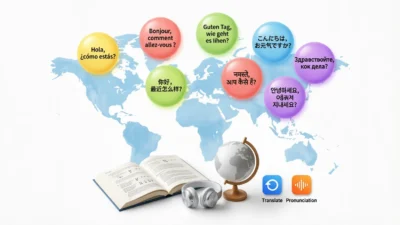

Learning no problem in different languages can make every travel experience easier and more enjoyable. While visiting different countries, I found that this simple phrase improves communication, supports better conversation, and helps people connect across cultures. If entering a new country in Asia or another part of the world, knowing the basics like hello, thank you, and how to ask why or where can make a real difference.
Building your vocabulary through each language, translation, and expression creates stronger understanding and helps you communicate naturally.
After 18 months on the road, with trips home bridging luxuriously long stretches of journey, my brain became a swirling, percolating mess of foreign words. Still, learning a foreign language remained valuable.
From ordering a dumpling or other food to improving speaking skills in a multilingual, global environment, this real expression strengthens culture, linguistic awareness, and meaningful connections across the earth for every traveler and travellers alike.
No Problem in Different Languages Table
| Language | Native Phrase | Pronunciation | Example Sentence | English Meaning |
| English | No problem | No prob-lum | No problem, I can help you. | I can help you without difficulty. |
| Spanish | No hay problema | No eye pro-ble-ma | No hay problema, te ayudo. | No problem, I’ll help you. |
| French | Pas de problème | Pa duh pro-blem | Pas de problème, je peux venir. | No problem, I can come. |
| German | Kein Problem | Kine pro-blem | Kein Problem, ich mache das. | No problem, I’ll do it. |
| Italian | Nessun problema | Nes-soon pro-ble-ma | Nessun problema, arrivo presto. | No problem, I’ll arrive soon. |
| Portuguese | Sem problema | Seng pro-ble-ma | Sem problema, posso ajudar. | No problem, I can help. |
| Dutch | Geen probleem | Khane pro-blem | Geen probleem, ik kom mee. | No problem, I’ll come along. |
| Russian | Без проблем | Bez pro-blem | Без проблем, я помогу. | No problem, I’ll help. |
| Ukrainian | Без проблем | Bez pro-blem | Без проблем, я прийду. | No problem, I’ll come. |
| Polish | Nie ma problemu | Nye ma pro-ble-moo | Nie ma problemu, pomogę ci. | No problem, I’ll help you. |
| Czech | Bez problému | Bez pro-ble-moo | Bez problému, udělám to. | No problem, I’ll do it. |
| Slovak | Bez problémov | Bez pro-ble-mov | Bez problémov, pomôžem. | No problem, I’ll help. |
| Hungarian | Semmi probléma | Shem-mee pro-ble-ma | Semmi probléma, megcsinálom. | No problem, I’ll do it. |
| Romanian | Nicio problemă | Nee-cho pro-ble-ma | Nicio problemă, vin imediat. | No problem, I’ll come right away. |
| Bulgarian | Няма проблем | Nya-ma pro-blem | Няма проблем, ще помогна. | No problem, I’ll help. |
| Greek | Κανένα πρόβλημα | Ka-ne-na pro-vli-ma | Κανένα πρόβλημα, έρχομαι. | No problem, I’m coming. |
| Turkish | Sorun değil | So-roon de-yil | Sorun değil, yardımcı olurum. | No problem, I’ll help. |
| Albanian | Nuk ka problem | Nook ka pro-blem | Nuk ka problem, vij tani. | No problem, I’ll come now. |
| Serbian | Nema problema | Ne-ma pro-ble-ma | Nema problema, pomoći ću. | No problem, I’ll help. |
| Croatian | Nema problema | Ne-ma pro-ble-ma | Nema problema, dolazim. | No problem, I’m coming. |
| Bosnian | Nema problema | Ne-ma pro-ble-ma | Nema problema, mogu pomoći. | No problem, I can help. |
| Slovenian | Ni problema | Nee pro-ble-ma | Ni problema, pridem kmalu. | No problem, I’ll come soon. |
| Swedish | Inga problem | Ing-a pro-blem | Inga problem, jag hjälper dig. | No problem, I’ll help you. |
| Norwegian | Ikke noe problem | Ik-ke noo-e pro-blem | Ikke noe problem, jeg gjør det. | No problem, I’ll do it. |
| Danish | Intet problem | In-ted pro-blem | Intet problem, jeg hjælper. | No problem, I’ll help. |
| Finnish | Ei ongelmaa | Ay ong-gel-maa | Ei ongelmaa, autan sinua. | No problem, I’ll help you. |
| Icelandic | Ekkert mál | Ek-kert maul | Ekkert mál, ég kem. | No problem, I’ll come. |
| Irish | Fadhb ar bith | Fyv ar bih | Fadhb ar bith, cabhróidh mé. | No problem, I’ll help. |
| Welsh | Dim problem | Deem pro-blem | Dim problem, gallaf helpu. | No problem, I can help. |
| Estonian | Pole probleemi | Po-le pro-blee-mi | Pole probleemi, aitan sind. | No problem, I’ll help you. |
| Latvian | Nav problēmu | Nav pro-ble-mu | Nav problēmu, palīdzēšu. | No problem, I’ll help. |
| Lithuanian | Jokių problemų | Yo-kyoo pro-ble-moo | Jokių problemų, padėsiu. | No problem, I’ll help. |
| Arabic | لا مشكلة | La mush-ki-la | لا مشكلة، سأساعدك. | No problem, I’ll help you. |
| Hebrew | אין בעיה | Ein be-a-ya | אין בעיה, אני אעזור. | No problem, I’ll help. |
| Persian | مشکلی نیست | Mosh-ke-li nist | مشکلی نیست، کمک میکنم. | No problem, I’ll help. |
| Urdu | کوئی مسئلہ نہیں | Koi masla nahi | کوئی مسئلہ نہیں، میں مدد کروں گا۔ | No problem, I’ll help. |
| Hindi | कोई समस्या नहीं | Koi samasya nahi | कोई समस्या नहीं, मैं मदद करूंगा। | No problem, I’ll help. |
| Bengali | কোনো সমস্যা নেই | Kono shomossha nei | কোনো সমস্যা নেই, আমি সাহায্য করব। | No problem, I’ll help. |
| Punjabi | ਕੋਈ ਸਮੱਸਿਆ ਨਹੀਂ | Koi samassia nahi | ਕੋਈ ਸਮੱਸਿਆ ਨਹੀਂ, ਮੈਂ ਮਦਦ ਕਰਾਂਗਾ। | No problem, I’ll help. |
| Gujarati | કોઈ સમસ્યા નથી | Koi samasya nathi | કોઈ સમસ્યા નથી, હું મદદ કરીશ. | No problem, I’ll help. |
| Marathi | काही समस्या नाही | Kahi samasya nahi | काही समस्या नाही, मी मदत करेन. | No problem, I’ll help. |
| Tamil | பிரச்சனை இல்லை | Pirachanai illai | பிரச்சனை இல்லை, நான் உதவுவேன். | No problem, I’ll help. |
| Telugu | సమస్య లేదు | Samasya ledu | సమస్య లేదు, నేను సహాయం చేస్తాను. | No problem, I’ll help. |
| Kannada | ಸಮಸ್ಯೆ ಇಲ್ಲ | Samasye illa | ಸಮಸ್ಯೆ ಇಲ್ಲ, ನಾನು ಸಹಾಯ ಮಾಡುತ್ತೇನೆ. | No problem, I’ll help. |
| Malayalam | പ്രശ്നമില്ല | Prashnamilla | പ്രശ്നമില്ല, ഞാൻ സഹായിക്കും. | No problem, I’ll help. |
| Sinhala | ප්රශ්නයක් නැහැ | Prashnayak neha | ප්රශ්නයක් නැහැ, මම උදව් කරන්නම්. | No problem, I’ll help. |
| Nepali | समस्या छैन | Samasya chaina | समस्या छैन, म सहयोग गर्छु। | No problem, I’ll help. |
| Chinese (Mandarin) | 没问题 | Mei wen ti | 没问题,我会帮你。 | No problem, I’ll help you. |
| Cantonese | 冇問題 | Mou man tai | 冇問題,我幫你。 | No problem, I’ll help you. |
| Japanese | 問題ありません | Mon-dai ari-ma-sen | 問題ありません、手伝います。 | No problem, I’ll help. |
| Korean | 문제없어요 | Mun-je ob-so-yo | 문제없어요, 도와드릴게요. | No problem, I’ll help. |
| Vietnamese | Không vấn đề gì | Khong vun-de-zee | Không vấn đề gì, tôi giúp bạn. | No problem, I’ll help you. |
| Thai | ไม่มีปัญหา | Mai mee pan-ha | ไม่มีปัญหา ฉันช่วยได้ | No problem, I can help. |
| Indonesian | Tidak masalah | Tee-dak ma-sa-lah | Tidak masalah, saya bantu. | No problem, I’ll help. |
| Malay | Tiada masalah | Tee-a-da ma-sa-lah | Tiada masalah, saya boleh bantu. | No problem, I can help. |
| Filipino | Walang problema | Wa-lang pro-ble-ma | Walang problema, tutulong ako. | No problem, I’ll help. |
| Burmese | ပြဿနာမရှိပါ | Pya-tha-na ma-shi-ba | ပြဿနာမရှိပါ၊ ကူညီမယ်။ | No problem, I’ll help. |
| Khmer | គ្មានបញ្ហា | Kmean ban-ha | គ្មានបញ្ហា ខ្ញុំនឹងជួយ។ | No problem, I’ll help. |
| Lao | ບໍ່ມີບັນຫາ | Bo mi ban-ha | ບໍ່ມີບັນຫາ ຂ້ອຍຈະຊ່ວຍ. | No problem, I’ll help. |
| Mongolian | Асуудалгүй | A-su-dal-gui | Асуудалгүй, би тусална. | No problem, I’ll help. |
| Swahili | Hakuna shida | Ha-koo-na shee-da | Hakuna shida, nitakusaidia. | No problem, I’ll help you. |
| Zulu | Ayikho inkinga | Ayee-ko in-kinga | Ayikho inkinga, ngizosiza. | No problem, I’ll help. |
| Afrikaans | Geen probleem | Khane pro-bleem | Geen probleem, ek sal help. | No problem, I’ll help. |
| Amharic | ችግር የለም | Chigir yelem | ችግር የለም፣ እረዳለሁ። | No problem, I’ll help. |
| Somali | Dhibaato ma leh | Dhi-baa-to ma leh | Dhibaato ma leh, waan ku caawinayaa. | No problem, I’ll help you. |
| Hausa | Babu matsala | Ba-boo mat-sa-la | Babu matsala, zan taimaka. | No problem, I’ll help. |
| Yoruba | Kò sí ìṣòro | Ko see i-sho-ro | Kò sí ìṣòro, máa ràn ẹ́ lọ́wọ́. | No problem, I’ll help. |
| Igbo | Nsogbu adịghị | Nso-go-bo a-dee-li | Nsogbu adịghị, aga m enyere gị. | No problem, I’ll help you. |
| Maori | Kare he raruraru | Ka-re he ra-ru-ra-ru | Kare he raruraru, ka āwhina ahau. | No problem, I’ll help. |
| Hawaiian | ʻAʻole pilikia | A-o-le pi-li-ki-a | ʻAʻole pilikia, e kōkua au. | No problem, I’ll help. |
| Armenian | Խնդիր չկա | Khndir chka | Խնդիր չկա, կօգնեմ։ | No problem, I’ll help. |
| Georgian | პრობლემა არ არის | Pro-ble-ma ar a-ris | პრობლემა არ არის, დაგეხმარები. | No problem, I’ll help. |
| Azerbaijani | Problem deyil | Pro-blem de-yil | Problem deyil, kömək edərəm. | No problem, I’ll help. |
How to Say No Problem in Different Languages
If someone thanks you, asks for a favor, or apologizes for a small inconvenience, saying “no problem” is a friendly response used worldwide. While the exact words differ, the meaning remains the same: reassurance, kindness, and willingness to help.
Learning these expressions improves communication when traveling, studying languages, or interacting with international colleagues and friends. Understanding how to say no problem in different languages can also help you sound more natural in conversations.
Why Learn No Problem Translations?
There are several benefits to learning no problem translations:
- Improve international communication skills.
- Show cultural awareness and respect.
- Make travel experiences smoother.
- Build stronger relationships with people from different backgrounds.
- Expand your language-learning vocabulary.
Because this phrase is used frequently in daily life, it is one of the most practical expressions to learn in any language.
No Problem Around the World
Across cultures, people use different words to express the same idea of reassurance and friendliness. Whether it’s “No hay problema” in Spanish, “Kein Problem” in German, or “没问题” in Mandarin Chinese, the message is universal.
These expressions help create positive conversations and show that helping someone is not an inconvenience. That is why learning no problem in all languages is both useful and enjoyable.
Tips for Using No Problem Correctly
- Use it when responding to thanks.
- Say it after helping someone.
- Use a polite tone in formal situations.
- Learn local pronunciation for better communication.
- Practice with native speakers whenever possible.
Conclusion
Knowing how to say no problem in different languages is a practical way to communicate confidently with people worldwide. From Europe and Asia to Africa and the Americas, these translations can help you express friendliness, politeness, and understanding in everyday conversations. Keep practicing these phrases to expand your global communication skills.
FAQs:
1. How do you say no problem in different languages?
You can say “No hay problema” in Spanish, “Kein Problem” in German, “Pas de problème” in French, and “没问题” in Mandarin Chinese, among many others.
2. What is the most common translation of no problem worldwide?
Many languages use a direct translation equivalent to “no problem,” making it one of the easiest phrases to recognize across cultures.
3. Why should I learn no problem in all languages?
Learning common expressions helps improve communication, travel experiences, and cultural understanding.
4. Is no problem a polite response?
Yes. In most languages, it is a friendly and polite way to reassure someone that helping was not inconvenient.
5. Which languages have similar no problem translations?
Spanish, Portuguese, Italian, French, German, Dutch, and many other languages use very similar expressions meaning “no problem.”